Loading…

Regulatory Compliance in ISP Reseller Contracts
By weirdtoo·October 14, 2025·12 min read
Understand the complex regulatory landscape for ISP resellers, including federal and state compliance, contractual obligations, and strategies for underserved areas.
Regulatory Compliance in ISP Reseller Contracts
Staying compliant as an ISP reseller is non-negotiable. From federal FCC rules to state-specific mandates, the regulatory environment is complex and often overwhelming. Contracts with upstream providers add another layer of responsibility, making clear definitions and risk management essential. Non-compliance can lead to fines, contract terminations, and even business closures.
Here’s what you need to know:
- Federal Requirements: ISP resellers must register with the FCC, file annual reports, protect customer data, and meet privacy standards.
- State Regulations: Rules vary widely across states, including licensing, sales tax, and consumer protection laws.
- Contractual Obligations: Reseller agreements typically include flow-down clauses, dividing compliance tasks between upstream providers and resellers.
- Risk Management: Contracts often feature indemnification, liability caps, audit rights, and termination clauses to address compliance failures.
- Serving Underserved Areas: Rural communities bring unique challenges, requiring tailored compliance strategies to meet local needs.
Compliance isn’t just about avoiding penalties - it’s about building trust and ensuring long-term business success. Below, we’ll break down the key elements of compliance, from federal and state rules to effective contract structures and strategies for underserved communities.
Federal and State Regulatory Requirements for ISP Resellers
ISP resellers operate within a web of federal and state regulations, covering everything from reporting obligations to consumer protection and privacy standards. These rules are the backbone of ensuring compliance in contracts and operations.
FCC Registration and Reporting Requirements
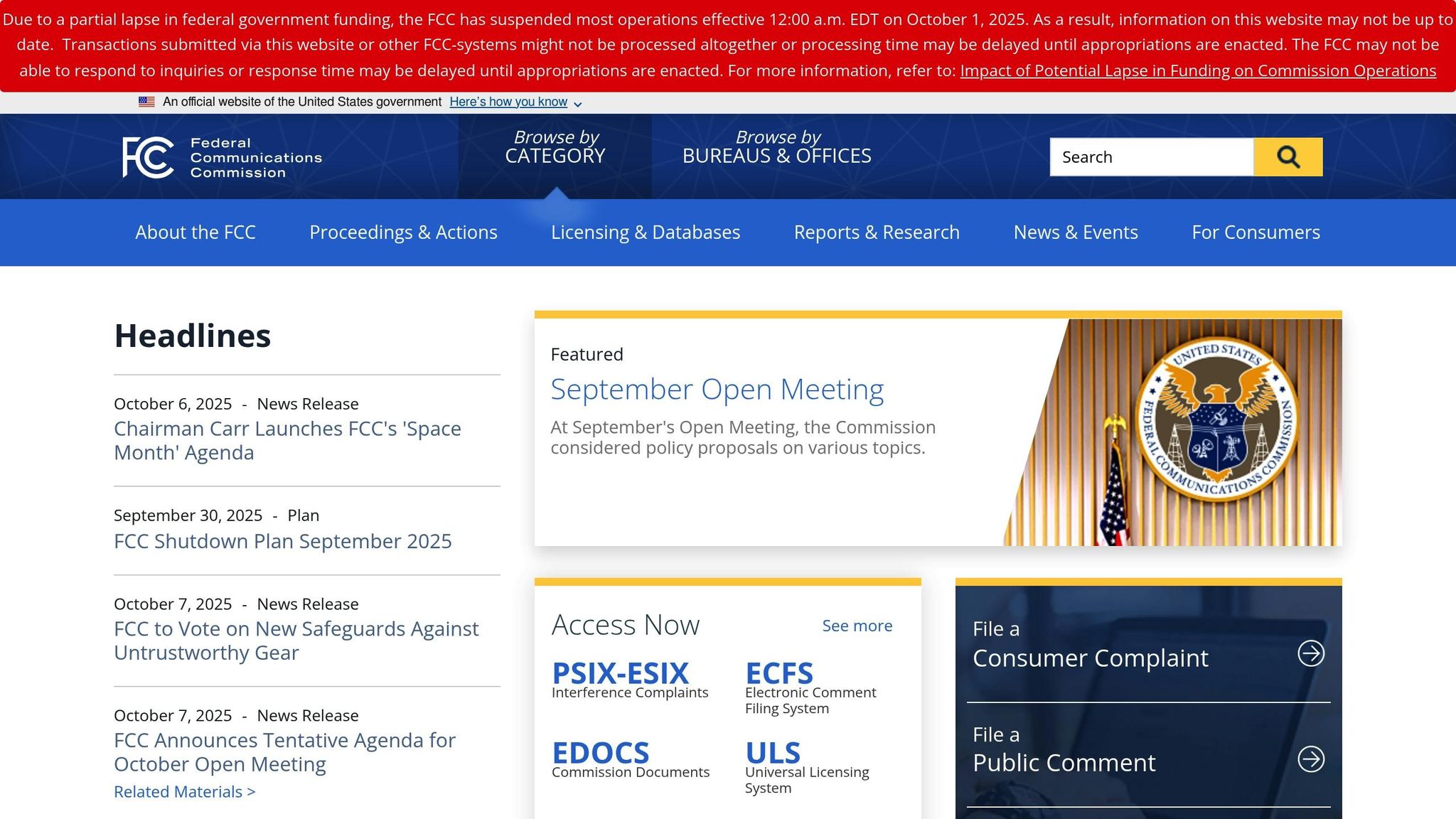
To stay compliant, ISP resellers must handle several responsibilities tied to the Federal Communications Commission (FCC). This includes submitting annual filings and periodic revenue reports, which help determine their required contributions to the Universal Service Fund. Keeping FCC contact information up-to-date is non-negotiable - delays or errors can lead to enforcement actions. Alongside these tasks, resellers are also required to uphold strict consumer protection and privacy standards.
Consumer Protection and Privacy Rules
Protecting customer data isn’t just a best practice - it’s a legal requirement for ISP resellers. Before using personal data for marketing, resellers must obtain clear and explicit consent from customers. They’re also expected to certify regularly that their data protection measures meet established standards. This includes securely storing records for the legally required period. Privacy notices play a crucial role too. These notices must clearly outline how customer data is collected, shared, and safeguarded, as well as inform customers of their rights.
State-Level Requirements and Jurisdiction Issues
State regulations add another layer of complexity for ISP resellers, especially for those operating across multiple states. While federal rules provide a baseline, individual states may impose stricter requirements. These can include additional certification processes, specific mandates on sales tax, enhanced consumer protection measures, or tighter data security rules. Navigating these overlapping and sometimes conflicting requirements is a significant challenge for companies with multi-state operations.
To successfully manage these regulatory demands, ISP resellers need a strong compliance program. Regular audits, updated employee training, and clear, actionable policies are key components for staying on top of both federal and state mandates.
Contract Elements in Reseller Agreements with Upstream Providers
When ISP resellers enter into agreements with upstream providers, the terms of these contracts play a crucial role in maintaining compliance with federal and state regulations. These agreements must clearly outline how compliance responsibilities are divided and how regulatory obligations are passed between the parties.
Compliance Flow-Down Clauses
Compliance flow-down clauses are key elements in these agreements. They ensure that specific regulatory obligations are transferred from upstream providers to resellers, making it clear what resellers need to do to meet compliance standards when serving end customers.
For example, resellers are often required to adopt the same data protection measures as their upstream providers. This can include encryption protocols, access controls, and breach notification procedures. These clauses may also address service quality standards. If an upstream provider commits to certain uptime guarantees or performance metrics to meet FCC requirements, resellers are typically held to the same standards. Additionally, these contracts often include provisions to enforce consumer protection practices that align with federal and state laws.
By clearly defining these obligations, flow-down clauses create a structured framework for dividing responsibilities between the parties.
Dividing Compliance Responsibilities
A well-structured division of compliance responsibilities is essential to prevent regulatory gaps and reduce the risk of violations. Reseller agreements often break down responsibilities as follows:
- Upstream providers handle network-level compliance, which includes maintaining FCC licenses, ensuring network security, contributing to the Universal Service Fund, and managing technical infrastructure.
- Resellers focus on customer-facing compliance. This includes securing proper customer consent for data use, maintaining accurate billing records, providing necessary service disclosures, and addressing customer complaints in accordance with FCC guidelines.
There are also areas where responsibilities overlap. For instance, upstream providers may handle technical breach remediation, while resellers are tasked with notifying customers about the breach. Many agreements also include escalation procedures that detail how compliance issues are addressed, including timelines for responses and protocols for sharing information between parties.
Risk Management Provisions
In addition to defining responsibilities, reseller agreements often include risk management provisions to protect both parties and ensure quick resolution of issues. These provisions typically include:
- Indemnification clauses that assign liability to each party for their own compliance failures.
- Liability caps to limit financial exposure while maintaining accountability, especially in cases of severe compliance failures like major data breaches or intentional regulatory violations.
- Audit rights that allow either party to verify compliance with contractual standards. Upstream providers may audit reseller practices, while resellers might negotiate the right to verify that providers meet security and service quality benchmarks. These audits can be scheduled annually or triggered by specific concerns.
- Termination clauses that permit immediate contract termination in the event of serious compliance breaches, such as losing FCC authorization or experiencing a significant data breach.
- Insurance requirements mandating that resellers carry adequate cyber liability and errors and omissions coverage. This provides additional protection against potential customer damages or regulatory penalties resulting from compliance issues.
For resellers serving underserved communities, these agreements often include additional provisions to address accessibility and affordability, ensuring that community-specific standards are met effectively.
Building a Compliance Program for ISP Resellers
For ISP resellers, weaving compliance into every part of daily operations is more than just a regulatory checkbox - it’s a safeguard for the business and its customers. A well-designed compliance program not only ensures adherence to laws but also minimizes risks of penalties and fosters trust. The challenge lies in creating a system that is both thorough and efficient.
Core Compliance Program Elements
A strong compliance program starts with meeting all registration and reporting obligations. Resellers must follow telecommunications filing procedures and contribute to legally required funds. On top of that, protecting consumer privacy is non-negotiable. Clear procedures for obtaining consent, securing sensitive data, and following retention policies in line with privacy laws are essential.
Cybersecurity is another cornerstone. A mix of technical tools and procedural safeguards should be in place, such as multi-factor authentication, timely security patches, and well-documented incident response plans. In the event of a breach, having protocols for prompt notification and reporting can make all the difference.
Financial compliance is equally critical. This involves accurate billing, transparent fee disclosures, and proper handling of customer payments. Regular reconciliations ensure that financial practices align with industry standards and regulatory expectations.
Lastly, ongoing staff training and thorough documentation are key to maintaining compliance over the long term.
Training and Documentation Practices
A compliance program is only as strong as the people behind it. That’s why continuous training is critical. Employees who handle sensitive customer data need regular updates on privacy laws, while technical teams benefit from staying informed on the latest security protocols. Keeping detailed training records - including attendance and follow-up actions - helps demonstrate compliance during audits.
Centralized, timestamped logs are another must-have. These should include records of customer consent, security incidents, and regulatory communications. Such documentation not only supports audits but also ensures a clear trail of compliance activities.
Customer service teams require specialized training too. They should be well-versed in regulatory disclosure requirements and skilled in managing complaints effectively. Proper documentation of customer interactions, such as call logs and resolution records, helps maintain service standards and regulatory compliance.
Record retention is another critical area. Policies should align with both federal and state requirements, with clear guidelines for how long records are kept and when they should be securely destroyed or placed on legal hold.
Regular Audits and Risk Assessments
Routine internal audits are essential for spotting compliance gaps before they become bigger problems. These audits should cover areas like billing accuracy, customer consent documentation, security logs, and regulatory filings. Catching discrepancies early allows for quick fixes.
Risk assessments are equally important, focusing on both internal vulnerabilities and external threats. Identifying cybersecurity risks and staying ahead of industry trends can help resellers adapt their strategies to address emerging challenges. Regular risk reviews help prioritize high-risk areas and fine-tune compliance efforts.
Audits should also test emergency protocols, such as data breach responses and outage recovery plans, to ensure they work effectively under pressure. When issues are identified, a clear corrective action plan with assigned responsibilities and deadlines is crucial for resolving them promptly.
For an added layer of assurance, external compliance reviews provide valuable third-party insights. These reviews can benchmark internal practices against industry standards and identify areas for improvement. Combined with contractual risk management provisions, these practices create a comprehensive compliance framework that protects both resellers and their upstream partners.
sbb-itb-342b8b2
Compliance for Underserved Communities
After reviewing federal and state mandates, it’s clear that tackling the unique compliance challenges in rural areas is a must. These regions often deal with outdated infrastructure and face distinct regulatory and consumer protection hurdles. For resellers aiming to close the digital gap while staying compliant, understanding these specific needs is crucial.
Addressing Community-Specific Challenges
Rural and underserved areas come with their own set of regulatory demands, which often differ from those in urban markets. Geographic isolation means many urban-centric compliance frameworks simply don’t fit. Resellers must navigate a maze of state-specific regulations, which can vary widely, especially when serving communities that straddle multiple counties or even states.
In these tight-knit communities, consumer protection standards play a vital role in building trust. Residents often have limited service options and may carry negative experiences with large providers. Privacy compliance takes on a new level of importance here, requiring clear and straightforward consent processes that consider varying degrees of digital literacy.
Infrastructure compliance is another significant hurdle. Many rural areas rely on outdated or limited telecommunications systems. On top of that, meeting accessibility requirements under the Americans with Disabilities Act becomes even more complex when serving diverse populations with varying levels of technological familiarity. Successful rural ISP resellers show how these challenges can be tackled with tailored, practical approaches.
Example: WEIRDTOO LLC's Compliance Strategy

A great example of a customized compliance approach comes from WEIRDTOO LLC, based in Alpine, Wyoming. The company focuses on serving trailer parks, restaurants, and rural venues within a 4-hour radius of their home base.
Their compliance strategy revolves around personalized service delivery tailored to the unique needs of rural Wyoming communities. Instead of relying solely on remote systems, WEIRDTOO works closely with local community partners to ensure timely compliance monitoring.
One standout feature of their approach is their revenue-sharing model, which aligns compliance incentives for both WEIRDTOO and their community partners. This ensures that regulatory standards are met without imposing prohibitive costs on small communities.
WEIRDTOO also adapts its documentation practices to fit the realities of rural areas. Their compliance program includes templates and support for communities that may lack advanced record-keeping systems. This helps operators maintain essential records like customer consent forms, service logs, and incident reports, all while keeping the process manageable.
To address the challenge of geographic isolation, WEIRDTOO uses 24/7 remote monitoring and troubleshooting. This ensures service standards are maintained and compliance issues - whether related to privacy, service quality, or customer communication - are identified and resolved before they escalate.
Their approach to customer data protection is another highlight. While they use advanced analytics and data capture systems, they prioritize clear and accessible consent processes tailored to rural populations. For instance, email and phone data collection follows strict privacy protocols but remains easy to understand for community members less familiar with digital privacy concepts.
Transparent pricing is another key element of their compliance framework. WEIRDTOO offers free basic plans alongside clearly defined premium options, such as Basic Plus+ for $7/month and Social Plus+ for $15.47/month. This straightforward pricing structure not only meets consumer protection standards but also builds trust in underserved communities by keeping services affordable.
Finally, WEIRDTOO addresses the regulatory complexities of operating across multiple small communities in Wyoming. They maintain detailed records of jurisdiction-specific requirements and ensure their agreements with upstream providers account for varying state and local regulations. This scalable compliance model serves as a blueprint for rural ISP resellers navigating similar challenges.
Conclusion and Key Takeaways
Navigating ISP reseller compliance requires clarity in contracts and strict adherence to both federal and state regulations. While the regulatory landscape can feel overwhelming, breaking it into manageable steps makes it feasible for resellers of any size to stay compliant.
Consumer protection laws and privacy regulations play a dual role: they shield customers while safeguarding your business reputation. For resellers operating across multiple states, the added complexity of varying state requirements - like consumer protection laws, taxation rules, and licensing obligations - demands careful attention. Understanding these differences before entering new markets can save your business from costly compliance missteps.
Well-defined contract clauses - addressing responsibilities, flow-down terms, and risk management - are the backbone of meeting compliance obligations. These contractual safeguards also support the internal compliance frameworks that are essential for long-term success.
Building a strong compliance program takes time, but it’s worth the effort. Key elements include documented policies, ongoing staff training, and regular monitoring of regulatory updates. Routine audits can catch potential issues early, while detailed documentation demonstrates your compliance efforts to regulators.
Serving rural and underserved communities introduces unique challenges, such as geographic isolation, limited infrastructure, and varying levels of digital literacy. However, these challenges also present opportunities for resellers who can tailor their compliance strategies to meet specific local needs. For example, WEIRDTOO LLC has shown how a localized compliance approach - like personalized customer consent processes and a revenue-sharing model - can align regulatory goals with community needs, particularly in rural Wyoming.
Technology can also play a critical role in streamlining compliance. Tools like remote monitoring, automated reporting, and centralized data management reduce administrative burdens and improve efficiency, especially when serving dispersed communities.
Proactive planning is key to staying ahead. By understanding your obligations before signing contracts, accounting for compliance costs in your business model, and creating clear processes to address regulatory changes, you set the stage for sustainable growth.
Ultimately, compliance isn’t just about avoiding penalties - it’s about building trust. Communities that have been underserved by traditional providers may approach new services with skepticism. Demonstrating a genuine commitment to regulatory standards and customer protection can help overcome this and lay the groundwork for lasting relationships.
As the telecommunications industry evolves, staying informed about regulatory updates and maintaining adaptable compliance programs will distinguish successful resellers from those bogged down by enforcement actions or customer dissatisfaction. Investing in the right compliance infrastructure not only reduces legal risks but also strengthens customer trust and drives long-term business growth.
FAQs
What are the main compliance responsibilities for ISP resellers operating in multiple states, and how can they stay on top of these regulations?
ISP resellers working across multiple states need to juggle both federal and state-specific regulations. Federal rules, such as those set by the FCC, oversee interstate communications. Meanwhile, state laws can address areas like net neutrality, data privacy, and consumer protections. The challenge? These state laws can differ significantly, adding layers of complexity to compliance.
To navigate these challenges, resellers should build a solid compliance plan. This could involve scheduling regular audits, establishing clear compliance policies, and ensuring employees are well-trained on relevant regulations. Using compliance tools to track adherence and staying updated on legal changes through industry news are also crucial for keeping everything on track.
What are flow-down clauses in reseller agreements, and how do they help ensure compliance with regulations?
Flow-down clauses in reseller agreements play a crucial role in ensuring that legal and regulatory obligations from the primary contract extend to resellers. These clauses are designed to uphold compliance with federal and state laws by clearly defining responsibilities like safety standards, data protection, and other regulatory requirements.
For resellers, it’s essential to thoroughly examine these clauses to confirm they are precise, enforceable, and cover all required compliance measures. Doing so helps minimize legal risks and promotes consistent regulatory adherence throughout the supply chain.
How can ISP resellers navigate compliance challenges in rural and underserved communities while addressing local needs?
ISP resellers can address compliance hurdles in rural and underserved areas by forming meaningful partnerships with local stakeholders and customizing their services to meet the specific needs of these communities. By engaging directly with residents and organizations, resellers can develop solutions that not only align with regulatory standards but are also practical and community-focused.
It’s also critical for resellers to tap into federal funding programs and technical assistance initiatives aimed at expanding broadband access in underserved regions. These resources can help ensure regulatory compliance while supporting sustainable growth. By prioritizing collaboration and gaining a deep understanding of local needs, resellers can play a key role in narrowing the digital divide.
Current contact path
Need Weird Network WiFi, custom apparel, or scoped help?
Use the contact form; removed product, checkout, research, and newsletter funnels stay offline.