Loading…
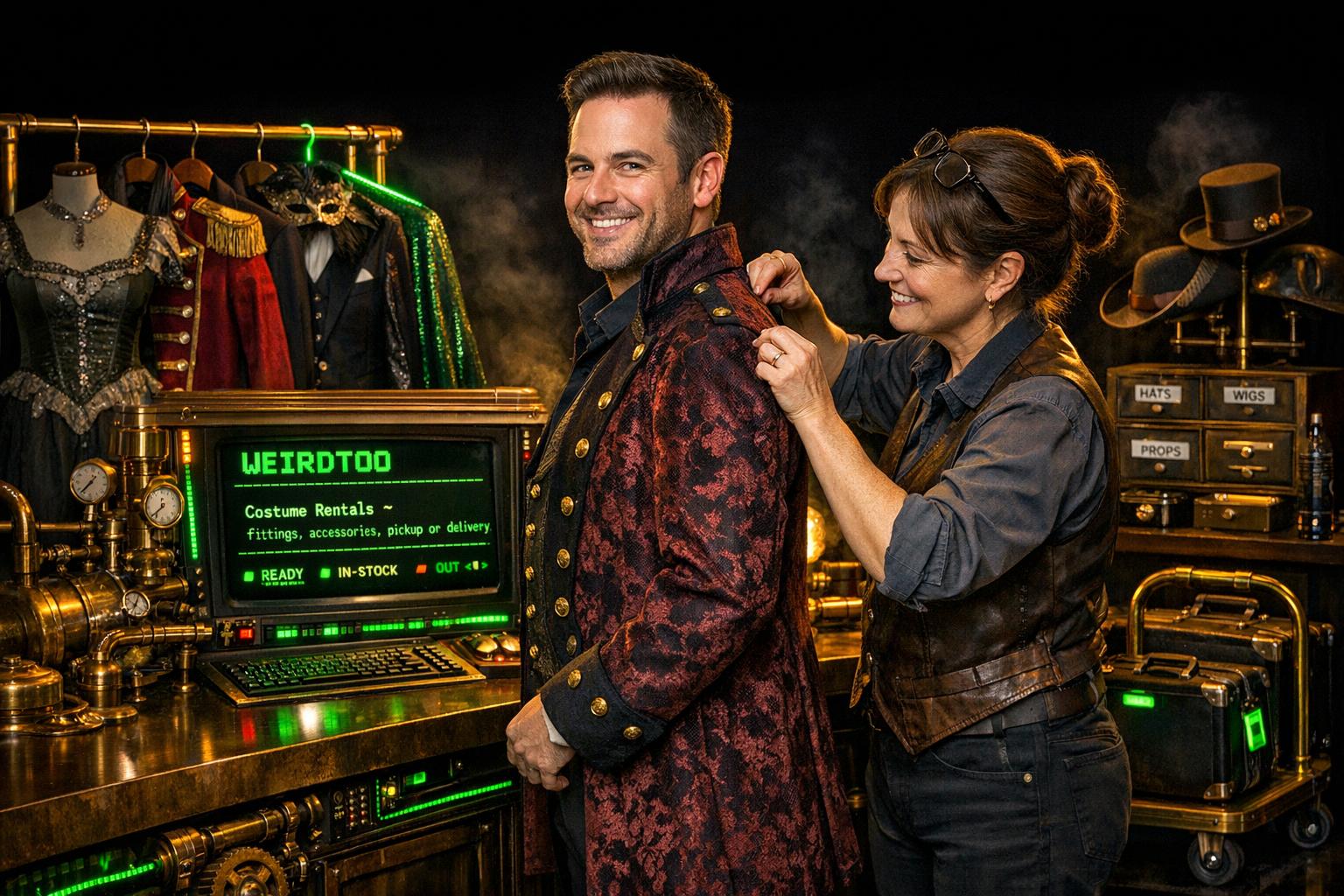
Offer costume rentals for parties or theater groups
By weirdtoo·May 25, 2026·9 min read
Costume rentals cut costs and clutter while offering production-ready outfits, fittings, accessories, and reliable pickup or delivery.
Offer costume rentals for parties or theater groups
Costume rentals are a practical solution for events like themed parties, school plays, or theater productions. Renting saves money, avoids storage hassles, and provides access to a wide variety of costumes. Here’s what you need to know:
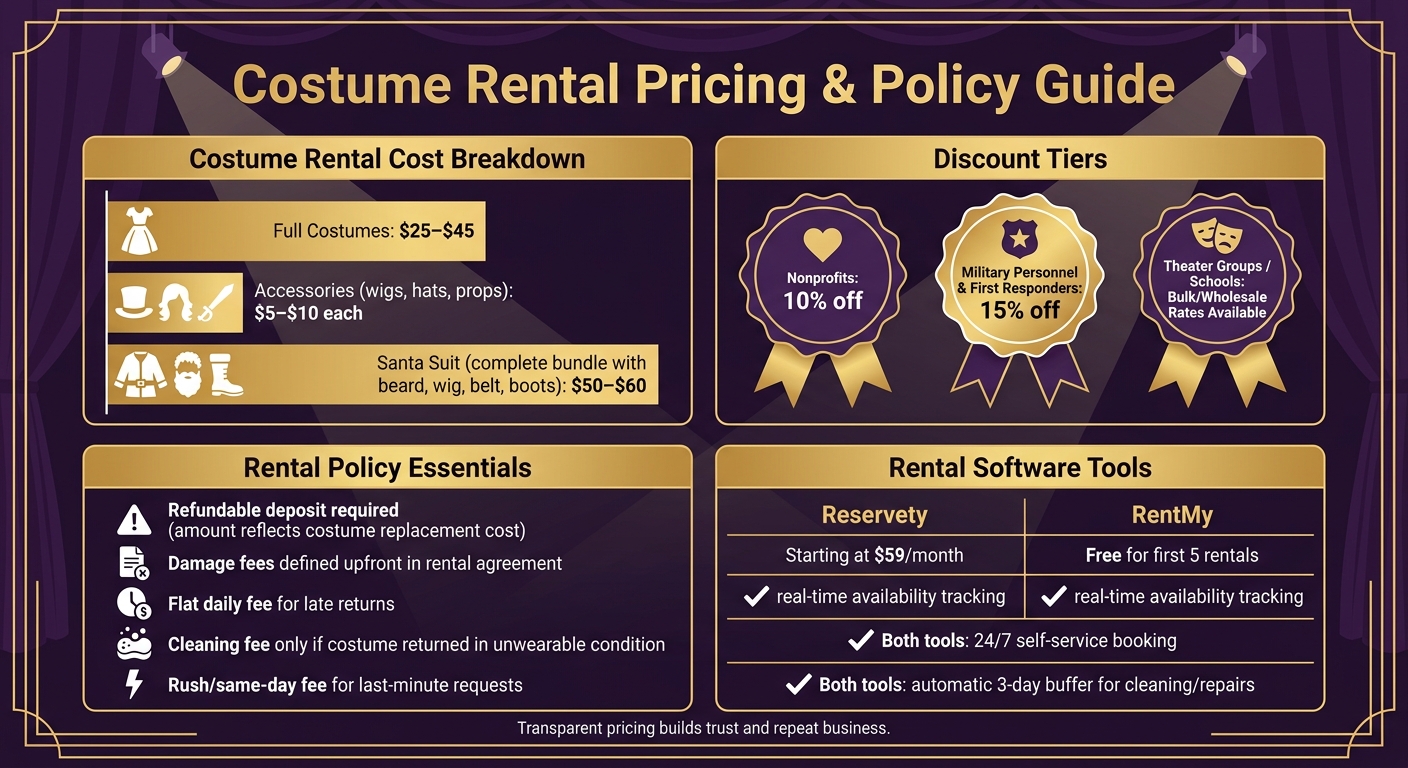
- Cost Breakdown: Full costumes typically cost $25–$45, accessories like wigs or hats range from $5–$10, while specialized items like Santa suits average $50–$60.
- Who Benefits: Schools, community theater groups, and party planners rely on rentals for affordability, convenience, and variety.
- Popular Themes: Historical eras (Victorian, Roman), holiday characters (Santa, Easter Bunny), and theatrical sets (Peter Pan, Shrek) are always in demand.
- Sizing & Accessories: Stock a range of sizes for youth and adults. Add-ons like wigs, hats, and props complete the look.
- Rental Policies: Clear pricing, refundable deposits, and damage fees ensure smooth transactions. Flexible options like bulk discounts and rush fees cater to different needs.
- Management Tips: Use rental software to prevent double-booking, offer fittings, and provide delivery or pickup options.
Renting costumes is a cost-effective and hassle-free way to bring characters to life for any occasion.
Inside the Character Business , What to do and more
sbb-itb-342b8b2
Building a Diverse Costume Inventory
Having a well-rounded costume collection ensures that party planners, theater directors, and educators can find exactly what they need. Let’s dive into some of the themes and categories that consistently attract demand.
Popular Costume Themes and Categories
Certain costume categories are always in demand. These include historical eras like Roman, Renaissance, Colonial, Victorian, and Edwardian periods, as well as holiday characters such as Santa, Mrs. Claus, the Grinch, elves, and Easter bunnies. Other popular categories include mascots and costumes for theatrical productions. For theater groups, it’s especially helpful to have dedicated costume sets for frequently performed plays like Peter Pan, Shrek, James and the Giant Peach, and Clue [1].
To streamline the process for theater directors, consider creating character lists for popular productions. This allows directors to see at a glance whether you can outfit an entire cast, not just the lead roles. Historical costumes also cater to educational events, with schools often needing Colonial or Roman outfits for activities like "wax museum" days or living history presentations [1].
Planning for Size and Fit
While mascots and holiday costumes like Santa suits are generally one-size-fits-most, theatrical and historical costumes require more precise sizing.
"When the youth have quality costumes that represent their characters they really get into the character. It makes a big difference." - Production Directors [1]
To meet the needs of both school productions and community theater, it’s crucial to stock sizes ranging from youth to adult. For more intricate historical costumes, offering appointment-based fittings can be a smart move. This approach ensures better fits, minimizes damage from mismatched sizing, and enhances the overall customer experience [1]. Accessories also play a key role in completing these looks.
Accessories and Add-Ons
Accessories like wigs, hats, bonnets, and props (priced around $5–$10 each) can elevate a basic costume into something truly convincing. These small details give customers an affordable way to personalize their look without needing a completely different outfit [1]. For historical costumes, don’t overlook essential undergarments like hoop skirts, petticoats, and period-accurate corsets, which are critical for achieving an authentic silhouette [2].
When it comes to holiday costumes, bundling accessories can make all the difference. For example, a Santa suit rental should come as a complete package - including the beard, wig, belt, and boots - priced around $50–$60. This convenience not only simplifies the process for customers but also encourages repeat business.
Setting Rental Pricing and Policies
Costume Rental Pricing & Policy Guide: Costs, Discounts & Fees
Clear and transparent pricing is essential for maintaining profitability and ensuring everyone feels treated fairly. Getting these details right from the start helps avoid misunderstandings down the road.
Flexible Pricing Models
Consider creating pricing tiers to cater to different customer needs. For individual renters, straightforward pricing without minimums works best. On the other hand, theater groups or schools often need to outfit entire casts, so offering bulk pricing or wholesale rates can make your service more attractive.
Community discounts can also make a big difference. For example, offering 10% off for nonprofits and 15% off for military personnel and first responders can help build strong relationships and encourage repeat business [5]. For last-minute requests, charging a rush or same-day fee is a fair way to account for the extra work required to prepare costumes quickly [4].
"Our pricing is highly competitive and we're happy to work within your budget." - Embroidery Barn [3]
This adaptable approach can turn a one-time customer - whether they’re organizing a school play or a nonprofit event - into a loyal client. To protect your business, make sure to clearly outline deposit and damage policies.
Deposit and Damage Policies
In addition to flexible pricing, require a refundable deposit for every rental. The deposit amount should reflect the replacement cost of the costume. For simpler costumes, a smaller deposit works, but for elaborate historical or theatrical pieces, the deposit should be higher to account for their value.
Define what counts as damage versus normal wear and tear in the rental agreement. For instance, a loose thread is not the same as a torn seam or a permanent stain. Listing repair fees upfront ensures there’s no confusion if a costume is returned in poor condition.
Late Returns and Cleaning Charges
Establish a flat daily fee for late returns and make this clear at the time of booking. Cleaning fees should only apply if the costume is returned in an unwearable state. These charges should reflect the actual cost of laundering or dry cleaning, making them reasonable and easy to justify. Including these terms in a signed rental agreement protects both your business and your customers, reducing the likelihood of disputes.
Managing the Rental Process
Simplify every step - from inquiries to billing - to keep customers happy and maintain control over your inventory.
Reservation and Availability Checks
Double-booking can cause major headaches in the rental business. Modern rental software prevents this by instantly reserving specific items (like a Medium Victorian Gown) across all platforms. Many systems also include an automatic three-day buffer to allow time for cleaning and repairs [6][7][8][9].
"Our theater company clients need Victorian gowns, military uniforms, and mascot costumes. The size and style matrix tracks every variation. Directors browse our collection online and reserve exactly what they need." - Jennifer L., Owner, Stage Door Costumes [6]
Another game-changer is offering 24/7 self-service booking. This feature is especially helpful for busy theater directors and event planners. Tools like Reservety (starting at $59/month) and RentMy (free for the first 5 rentals) provide real-time availability tracking, making it easier to manage reservations [6][7].
Fittings, Pickup, and Delivery Options
Once reservations are confirmed, the next step is managing fittings and delivery. For local customers, in-store pickup works well. If you want to go the extra mile, offering free local delivery to groups like school theater departments or nonprofits can be a thoughtful touch that doesn’t break the bank [4]. For last-minute orders, express shipping with a clear cutoff time (e.g., 12:00 PM for same-day processing) ensures you can meet tight deadlines efficiently [4].
For theater groups renting multiple items, in-person fittings can make a big difference. Scheduling fitting appointments allows you to check that everything fits properly before it leaves your shop, reducing the chance of returns or complaints. Using reservation notes to record specific sizing or alteration requests also ensures no detail gets missed.
Return Inspections and Billing
When items are returned, inspect them immediately with the customer. Take photos of any damages and handle billing right away, including any cleaning or repair fees outlined in the rental agreement. Don’t forget to process deposit refunds promptly [10].
"Our in-house account managers are here to expertly guide you through every step of the process... ensuring a seamless and stress-free experience." - Bighorn Design Studio [10]
Speed is key during the return process. A quick, straightforward checkout leaves a lasting positive impression [3][5]. Keeping detailed condition records for each costume can also help you spot trends - like which items need repairs more often - so you can plan maintenance and restocking more effectively.
Maintaining and Caring for Costumes
Regular upkeep does more than just extend the life of your costumes - it keeps them rentable and ensures a smoother rental process. A well-maintained costume can serve you for years, while neglect can lead to early retirement, cutting into profits. After cleaning, quick repairs and proper storage are key to keeping costumes in top condition and ready for the next customer.
Cleaning and Sanitizing Routines
Handle all laundering in-house. Never let customers clean costumes before returning them. Delicate fabrics or those prone to bleeding can be irreparably damaged if mishandled.
"Borrower should not launder before returning as some fabrics can bleed and ruin a costume." - Colorado Costume Castle [1]
If a customer has already paid for professional dry cleaning, ask for a receipt or note to avoid redundant cleaning. For your own cleaning process, tailor the method to the material. Sturdy fabrics may handle machine washing, while intricate or embellished items often require dry cleaning. Pay special attention to sanitizing items like wigs, hats, and mascot suits that come into direct contact with skin. Always follow current health and safety protocols to ensure proper hygiene. Once cleaned, take care of any repairs immediately to maintain the costume's quality.
Repairing and Restocking Costumes
After cleaning, focus on preserving the costume's structural integrity. Minor fixes - like sewing loose buttons, patching small tears, or repairing broken snaps - should be addressed promptly to avoid further damage. Costumes that no longer meet quality standards should be retired. Set aside a portion of every rental fee for ongoing repairs and restocking. When adding new items to your inventory, prioritize quality. Costumes made with durable materials and solid craftsmanship will serve you far longer.
"This is clothing that will last you for a lifetime, not some Halloween costume. Her work is impeccable and she really works with you to get things right." - Susan Hurlbutt, Customer, Silhouettes Costumes [2]
Organizing and Storing Costumes
Efficient storage is critical for keeping your inventory manageable. Sort costumes by category, size, and condition, using labeled racks and bins to make retrieval quicker and to easily spot items needing attention. For returns, create a designated drop-off area with separate hanging bars for full costumes and bins for smaller pieces. This system keeps returned items apart from clean inventory until they've been inspected, ensuring accurate condition tracking and readiness for the next rental.
Conclusion: Running a Successful Costume Rental Business
Running a successful costume rental business boils down to three main pillars: maintaining a diverse and well-kept inventory, setting clear policies, and ensuring smooth day-to-day operations. Nail these essentials, and you'll create a service that customers will return to time and again.
The scale of your operation can also shape your success. Established businesses with years of experience often credit their achievements to offering "products of uncompromising quality combined with unparalleled service." This means having a robust inventory, inclusive sizing options, and knowledgeable staff who can guide customers effectively[11].
Pricing is another critical factor. Flexible pricing structures let you cater to a wide range of clients - from budget-conscious local theater groups to those seeking high-end, production-quality costumes. This adaptability not only broadens your customer base but also keeps your inventory active year-round, fostering lasting partnerships.
Operational details matter just as much. Features like appointment-only scheduling, online catalogs, secure drop-off points, and thorough in-house cleaning protocols aren’t just logistical conveniences - they’re what set your business apart. These systems ensure smoother operations, protect your inventory, and build trust with customers. By putting these measures in place early, you'll be better equipped to handle the rush during peak seasons and keep clients coming back.
FAQs
How far in advance should I reserve costumes for a show or event?
To avoid any last-minute headaches, make sure to reserve your costumes a few weeks ahead of time. This is especially important if you're eyeing popular themes or need something custom-made. Reach out to your rental provider early to check availability and understand their deadlines. Getting in touch sooner rather than later gives you the best chance of securing exactly what you need without unnecessary stress.
What happens if a costume is returned late or damaged?
If you return a costume late, you might face a daily late fee. In cases where a costume is damaged beyond repair, you’ll be charged the full replacement cost. Make sure to treat all items carefully to steer clear of extra fees.
Can you outfit an entire cast with matching sizes and accessories?
Costume rental services make it easy to outfit an entire cast with matching sizes and accessories. They usually provide a broad selection of sizes and include key accessories to fit the needs of group performances. This helps ensure your cast looks coordinated and prepared for the stage or event.
Current contact path
Need Weird Network WiFi, custom apparel, or scoped help?
Use the contact form; removed product, checkout, research, and newsletter funnels stay offline.