Loading…
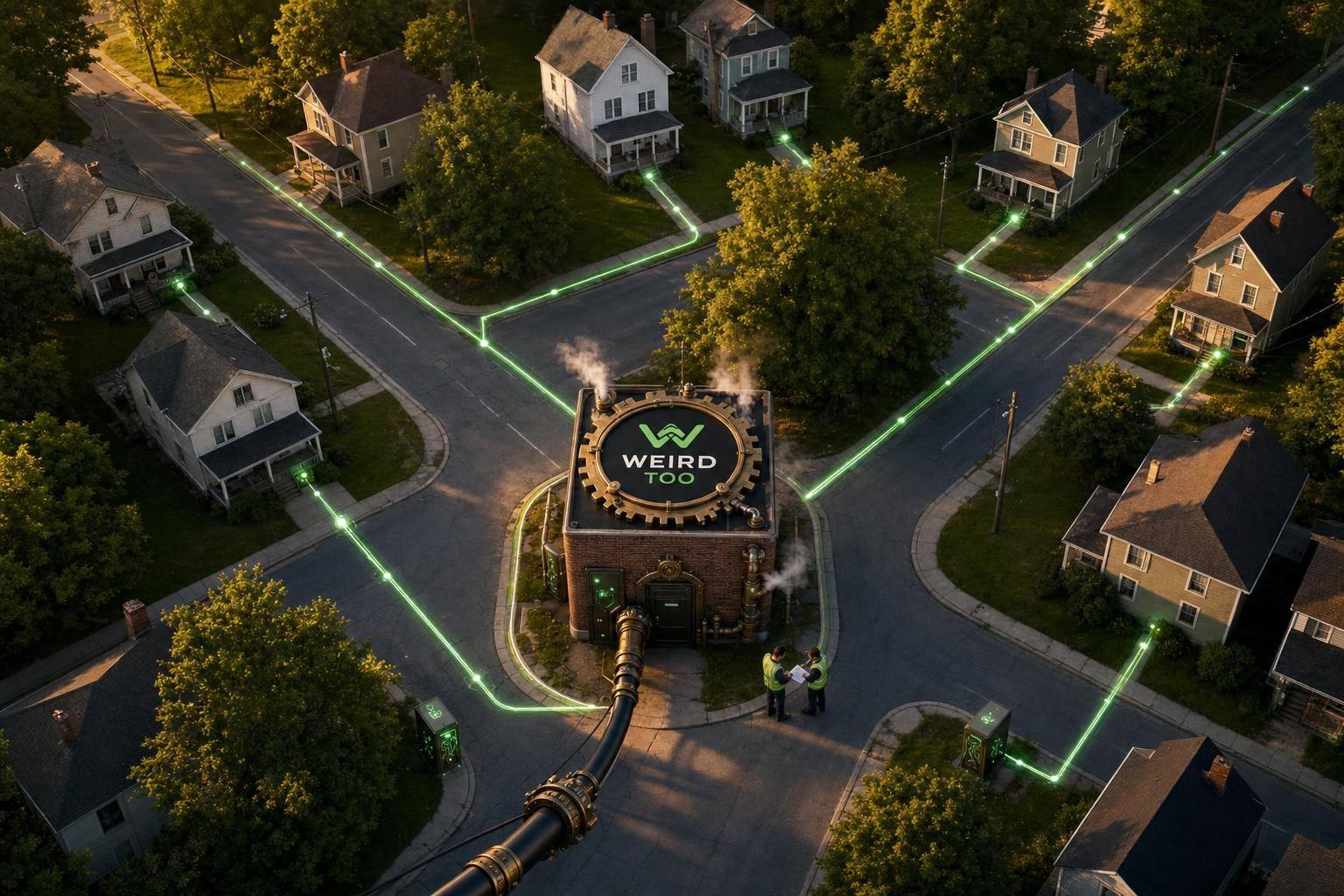
ISP Reseller Services Explained: A Guide for Community Network Builders
By weirdtoo·July 13, 2026·5 min read
How local groups buy wholesale internet, rebrand it, and deliver affordable last-mile service with practical tips and a checklist.
ISP Reseller Services Explained: A Guide for Community Network Builders
ISP Reseller Services (also known as Virtual ISP or ISP Wholesale Services) Explained: A Guide for Community Network Builders and Rural Entrepreneurs
Overview
This guide explains ISP Reseller Services, which enable community network builders, local organizations, and small businesses to purchase wholesale internet capacity from major carriers and distribute it directly to local subscribers under their own brand, bridging the digital divide in rural and underserved areas without the massive capital expense of building physical network backbones.
What is ISP Reseller Services (also known as Virtual ISP or ISP Wholesale Services)?
ISP Reseller Services allow a business or community group to purchase high-capacity internet bandwidth and related services at wholesale rates from an established, licensed carrier and repackage, brand, and sell those connections directly to local residents or tenants. Often referred to as a Virtual ISP (VISP), the reseller manages billing, customer support, and local marketing while relying on the upstream provider's core physical infrastructure, avoiding the high cost of laying fiber or launching satellites.
Why ISP Reseller Services (also known as Virtual ISP or ISP Wholesale Services) Matters for Community Network Builders and Rural Entrepreneurs
For community network builders, rural advocates, and local leaders, the reseller model is a powerful tool to solve the 'last-mile' connectivity problem. Instead of waiting for national telecom giants to build out infrastructure in low-density or low-income areas, local builders can utilize existing middle-mile networks or commercial wholesale connections to distribute internet locally. This keeps the money within the community, allows for customized and affordable localized pricing, and places the customer service responsibility in the hands of someone who genuinely cares about the local population.
Practical Examples
- Rural Trailer Park Internet Solution: A community network builder partners with a wholesale provider to bring a single high-speed commercial fiber line to a local trailer park. Utilizing a white-label reseller platform, they distribute Wi-Fi to individual resident trailers, setting affordable monthly rates and managing tenant subscriptions through a localized portal.
- Cooperative Local Startup: A rural entrepreneur collaborates with a local electric cooperative to leverage their existing infrastructure. They buy bulk wireless and broadband capacity, establish a customized brand, and provide affordable internet packages specifically designed for remote agricultural startups that are otherwise ignored by mainstream providers.
- Multitenant Public Housing Project: A nonprofit community organizer acts as an ISP reseller within a low-income housing complex, providing low-cost digital-equity plans, managing local support calls, and integrating local digital skills training into the service offering.
Tips for Evaluation or Improvement
- Choose the Right Upstream Partner: Prioritize wholesalers that offer guaranteed SLA uptimes (such as 99.9% or higher), 24/7 technical support for resellers, and flexible scaling terms.
- Select a Private Label Model for Long-Term Ownership: Opt for private label agreements rather than referral programs so that you completely own your subscriber list. If your wholesale partner raises rates or goes under, you can transition your customer database to another wholesale network.
- Leverage Automation Tools: Utilize a reliable Customer Relationship Manager (CRM) or reseller backoffice tool to automate account activations, track router setups, manage subscriber settings, and process monthly billing to keep operations simple and lean.
- Establish Clear Local Support Protocols: Since rural users value close-knit relationships, set up accessible support lines (such as a local phone number or dedicated WhatsApp community) to provide faster response times than distant national carriers.
Common Challenges
Community network builders face several distinct obstacles when utilizing the ISP reseller model:
- Regulatory Compliance and Licensing: Depending on regional or federal telecommunications laws, virtual ISPs or resellers may still be required to register with regulatory bodies, collect specific consumer details, or comply with regional tax codes.
- Low Profit Margins: Resellers must balance wholesale purchase prices with the customer's willingness to pay in economically underserved communities, which can compress margins.
- Dependence on Upstream Providers: If the primary upstream ISP suffers an outage, has poor customer support, or decides to raise wholesale prices, the reseller takes the blame and has limited direct recourse.
- Keeping Organized Records: Managing billing, router assignments, tenant-specific settings, and customer complaints can become overwhelming without structured CRM or billing integration.
Quick FAQ
Q: Do I need to lay down physical fiber lines or buy satellites to be an ISP reseller?
A: No. The reseller model uses the physical infrastructure (fiber, coaxial cables, or wireless towers) of your upstream wholesale provider. You are responsible for local distribution, billing, and basic support. Q: What is the difference between a white-label and a co-branded reseller model?
A: In a white-label (private label) model, you use your own brand, logo, and custom domain, and your subscribers only interact with your business. In a co-branded model, the primary network provider's name is displayed alongside yours, which can add credibility but gives you less direct brand control. Q: Can an ISP reseller set their own pricing plans?
A: Yes, most wholesale reseller programs allow you to design custom packages, set your own retail prices, and keep the difference between the wholesale cost and what you charge your customers. Q: Who handles customer support when the internet goes down?
A: Typically, you are the first point of contact for your subscribers. However, your upstream wholesale provider provides backup technical support to help you resolve major backbone outages or routing issues.
Checklist for Implementation
- Define Your Reselling Model: Decide between white-label (owning the branding and billing) or non-white-label (earning commission on wholesale sales).
- Choose Your Technology Partner: Select a wholesale provider that aligns with your community's needs, whether it is fiber, Fixed Wireless Access (FWA), or satellite backhaul.
- Establish Brand and Pricing: Develop local service tiers, customize your portal, and set prices that remain affordable for your residents while generating stable recurring monthly revenue.
- Set Up Support Protocols: Ensure you have an agreement with the host ISP for tier-2/backend technical support, and train local staff to handle tier-1 (customer-facing) troubleshooting.
- Deploy Local Equipment: Coordinate physical installs, secure customer premise equipment (CPE) or managed Wi-Fi routers, and launch your local marketing campaign.
Related Resources
- Aditum Connect ISP Reseller Program
- DojoNetworks Managed WiFi Reseller Guide
- Connected Coast Open Access ISP Framework
- Opn Communication White-Label FWA Solutions
Related ISP Concepts
- White-Label ISP
- Fixed Wireless Access (FWA)
- Open-Access Networks
- Backhaul Connection
- Last-Mile Delivery
Target Audience
- Community Network Builders
- Rural Entrepreneurs
- Affordable Internet Advocates
- Property Managers
- Local WISPs
Related Weird Too links
Keep following this lane
Current contact path
Need Weird Network WiFi, custom apparel, or scoped help?
Use the contact form; removed product, checkout, research, and newsletter funnels stay offline.