Loading…
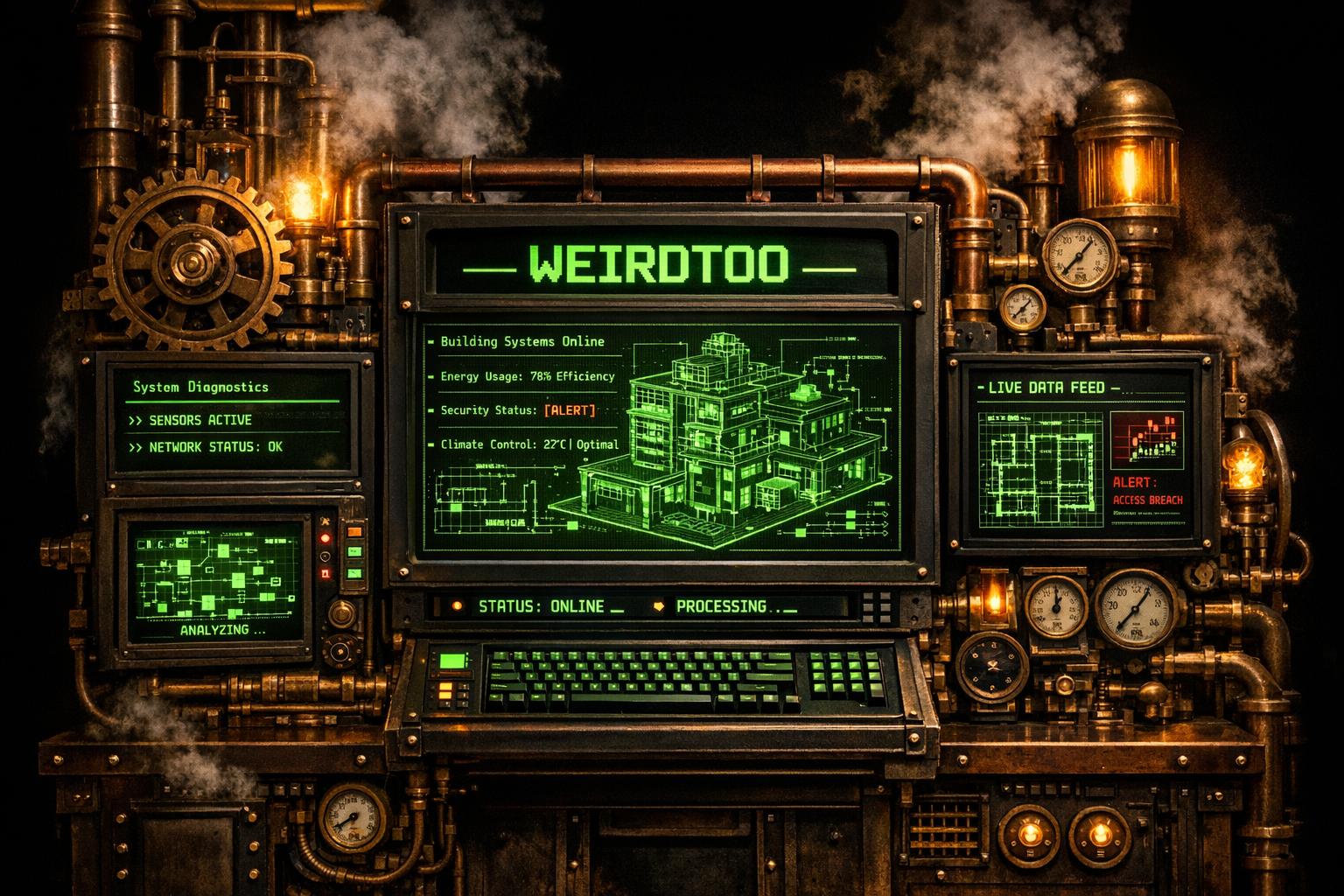
How AI Makes Buildings Smarter: A Practical Guide
By weirdtoo·December 25, 2025·5 min read
Discover how AI transforms buildings into smarter, responsive spaces. Learn practical applications, benefits, and challenges of digital buildings.
How AI Makes Buildings Smarter: A Practical Guide
The future of building management is here, and it’s powered by artificial intelligence (AI). From aging infrastructure to the ever-growing need for efficiency, adaptability, and resilience, AI is revolutionizing how buildings are operated, maintained, and experienced. In this article, we dive deep into the transformative potential of digital buildings and how AI is reshaping the built environment. We’ll also explore key challenges, solutions, and strategies to align businesses with this paradigm shift.
Understanding the Concept of Digital Buildings
Traditional buildings are designed to be static and reactive. They respond to problems only after they arise, relying on outdated manual methods. Digital buildings, on the other hand, are dynamic, responsive, and intelligent. By leveraging AI, the Internet of Things (IoT), and cloud computing, these buildings become more than just physical spaces - they evolve into living systems that optimize energy use, adapt to changing conditions, and enhance user experiences.
Why Are AI and Digital Buildings Necessary?
Several converging factors make the transformation toward digital buildings a necessity:
- Aging Infrastructure: Many existing buildings are outdated and unequipped to meet modern demands.
- Increased Occupant Expectations: Tenants and businesses now expect highly functional, adaptive, and energy-efficient spaces.
- Growing Complexity: The integration of cybersecurity, environmental regulations, and evolving workforce needs demands smarter solutions.
AI offers a way to address these challenges by turning data into actionable insights. With AI-powered systems, buildings can monitor their environments, predict issues before they arise, and respond to user needs in real time.
sbb-itb-342b8b2
The Role of AI in Modernizing Buildings
Enhancing Security
One of the critical areas where AI shines is cybersecurity. As facilities become more connected, they also become more vulnerable to cyberattacks. The video highlights two notable breaches:
- Target HVAC Breach (2013): A contractor’s leaked credentials led to a cyberattack that compromised 40 million credit card records and 70 million customer accounts.
- Las Vegas Casino Hack: A smart thermostat in a fish tank was exploited to access the high-roller database.
AI-powered systems can mitigate these risks by continuously monitoring for vulnerabilities, detecting suspicious activities, and automating responses to potential threats.
Improving Operational Efficiency
AI enables buildings to adapt dynamically to changing conditions, such as weather, occupancy levels, and energy demand. For example:
- Energy Optimization: AI can analyze energy usage patterns and adjust heating, ventilation, and air conditioning (HVAC) systems to reduce waste.
- Predictive Maintenance: By detecting equipment anomalies before they escalate, AI reduces downtime and lowers maintenance costs.
- User-Centered Design: AI tailors building operations to the preferences and needs of occupants, improving satisfaction and productivity.
Retrofitting Existing Buildings
Retrofitting older buildings is one of the most significant challenges in adopting digital technologies. Many facilities were not built with modern standards or codes in mind, making integration complex. Financial constraints, regulatory hurdles, and the scarcity of skilled tradespeople further compound the problem.
AI, however, provides a way forward by:
- Bridging gaps between old and new systems.
- Automating compliance checks and maintenance tasks.
- Offering scalable solutions that align with limited budgets.
Winning Executive Buy-In for AI Adoption
Adopting AI in building management requires more than just technical expertise - it demands a strategic approach that resonates with business leaders. As noted in the video, executives are primarily concerned with:
- Return on Investment (ROI): Demonstrating the financial benefits of AI implementation is crucial.
- Risk Mitigation: Highlighting how AI can prevent costly disruptions.
- Alignment with Long-Term Goals: Positioning AI adoption as part of broader sustainability and operational efficiency initiatives.
To secure buy-in, facility managers must address three key pillars:
- Value: Clearly articulate the cost savings and profit potential.
- Risk: Emphasize compliance, resilience, and cybersecurity benefits.
- Strategy: Align proposals with the organization's vision for innovation and growth.
Building Successful Partnerships for Smart Buildings
The journey to smarter buildings is not a solo endeavor - it requires collaboration with the right partners. Selecting vendors and service providers with the necessary expertise, innovation, and long-term support capabilities is critical. Factors to consider when evaluating partners include:
- Technical Expertise: Look for proven experience in AI and IoT solutions.
- Interoperability: Ensure systems can integrate seamlessly with existing infrastructure.
- Scalability: Choose solutions that can grow with your business.
- Reliability: Consider how vendors respond to issues, including after-hours emergencies.
- Innovation Roadmap: Assess whether the provider has a forward-thinking approach to technology.
Effective partnerships create a foundation for ongoing success, enabling organizations to modernize their facilities while staying agile in a rapidly evolving landscape.
The Challenges of AI Integration
While AI offers immense potential, its success depends on access to accurate and well-organized data. For AI to function effectively, it requires:
- Digital scans and drawings of facilities.
- Comprehensive asset registries.
- Detailed operational and maintenance plans.
- Sufficient financial and labor resources to implement the system.
Without this foundational information, even the most advanced AI tools can fall short. As such, facility managers must invest in data preparation and management to fully unlock AI’s capabilities.
Key Takeaways
- AI Transforms Buildings: Digital buildings powered by AI represent a shift from static structures to dynamic, intelligent spaces.
- Security Is a Priority: Cybersecurity risks highlight the importance of robust AI systems to protect sensitive data.
- Efficiency Gains: AI optimizes energy use, predicts maintenance needs, and adapts to occupant preferences in real time.
- Retrofitting Challenges: Older buildings pose integration hurdles, but AI offers scalable solutions to bridge the gap.
- Executive Alignment: Successful adoption requires articulating value, mitigating risks, and aligning with strategic goals.
- Partnerships Matter: Collaborating with reliable, innovative vendors ensures long-term success.
- Data Is Key: Accurate and accessible data is essential for AI to deliver actionable insights.
Conclusion
The integration of AI into building management is no longer optional - it’s a strategic imperative. By transforming how buildings operate, AI enhances efficiency, security, and user experiences while addressing the challenges of aging infrastructure and growing demands. For businesses looking to adopt these technologies, the path to success lies in understanding the needs of stakeholders, preparing accurate data, and building strong partnerships. The future of buildings is smarter, and the journey starts today.
Source: "Digital Buildings in the Age of AI | by Jared Conrad, UL Solutions" - SIBCA, YouTube, Nov 28, 2025 - https://www.youtube.com/watch?v=FsGRefwq_OQ
Current contact path
Need Weird Network WiFi, custom apparel, or scoped help?
Use the contact form; removed product, checkout, research, and newsletter funnels stay offline.